
Sustainability
Explore lightly, and explain everything
Exploration is where environmental and social standards are set for the whole life of an asset. We are building those standards now, while our footprint is still small.
Environment
Low-impact by design, not by exception
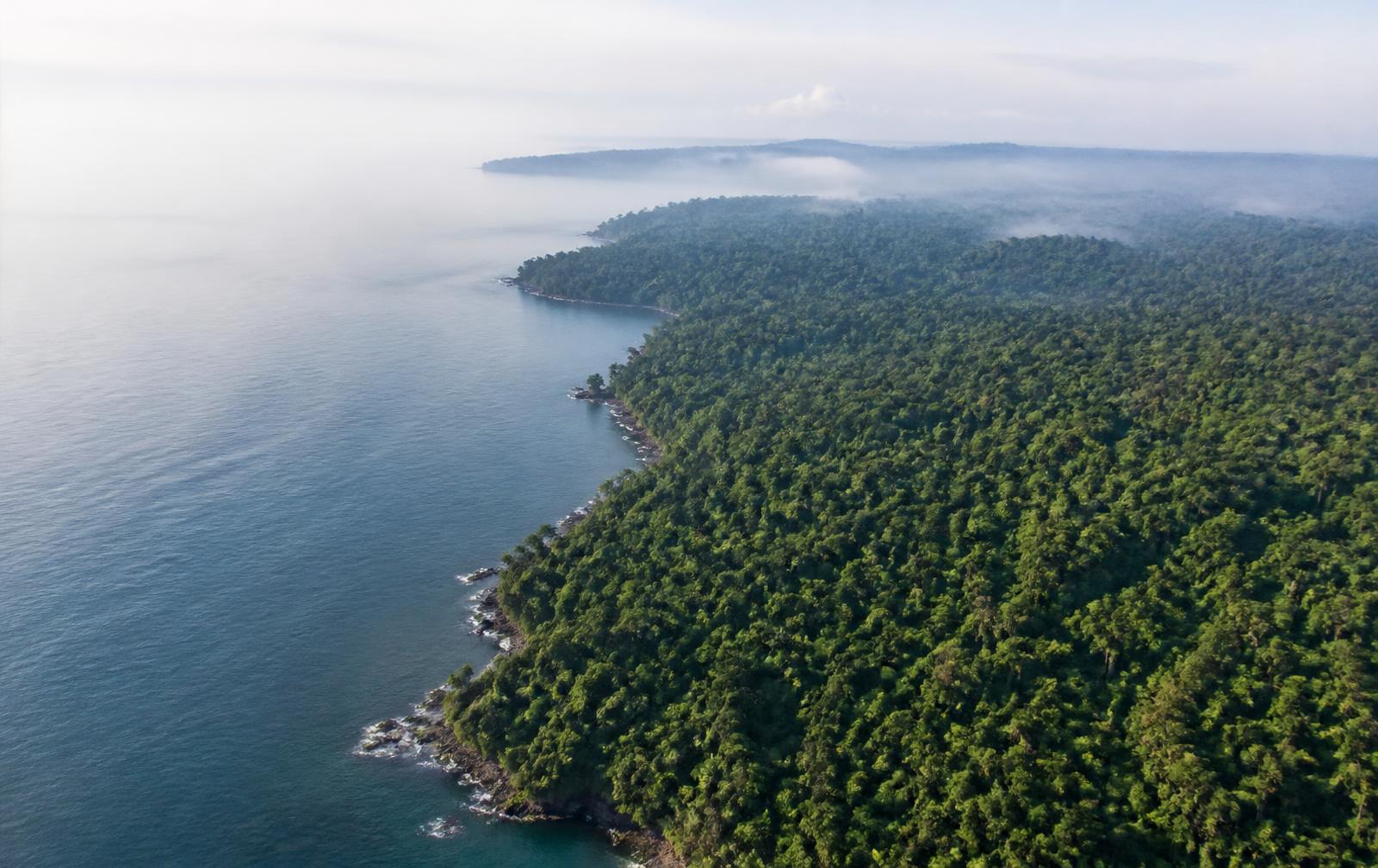
Much of our survey work is non-invasive, which means large areas can be assessed without heavy clearance or drilling.
Non-invasive surveying
Airborne and surface-based imaging avoids the disturbance associated with conventional acquisition in forest and farmland environments.
Community land respect
Access routes and survey lines are planned to minimise disruption to farms, settlements and waterways.
Site restoration
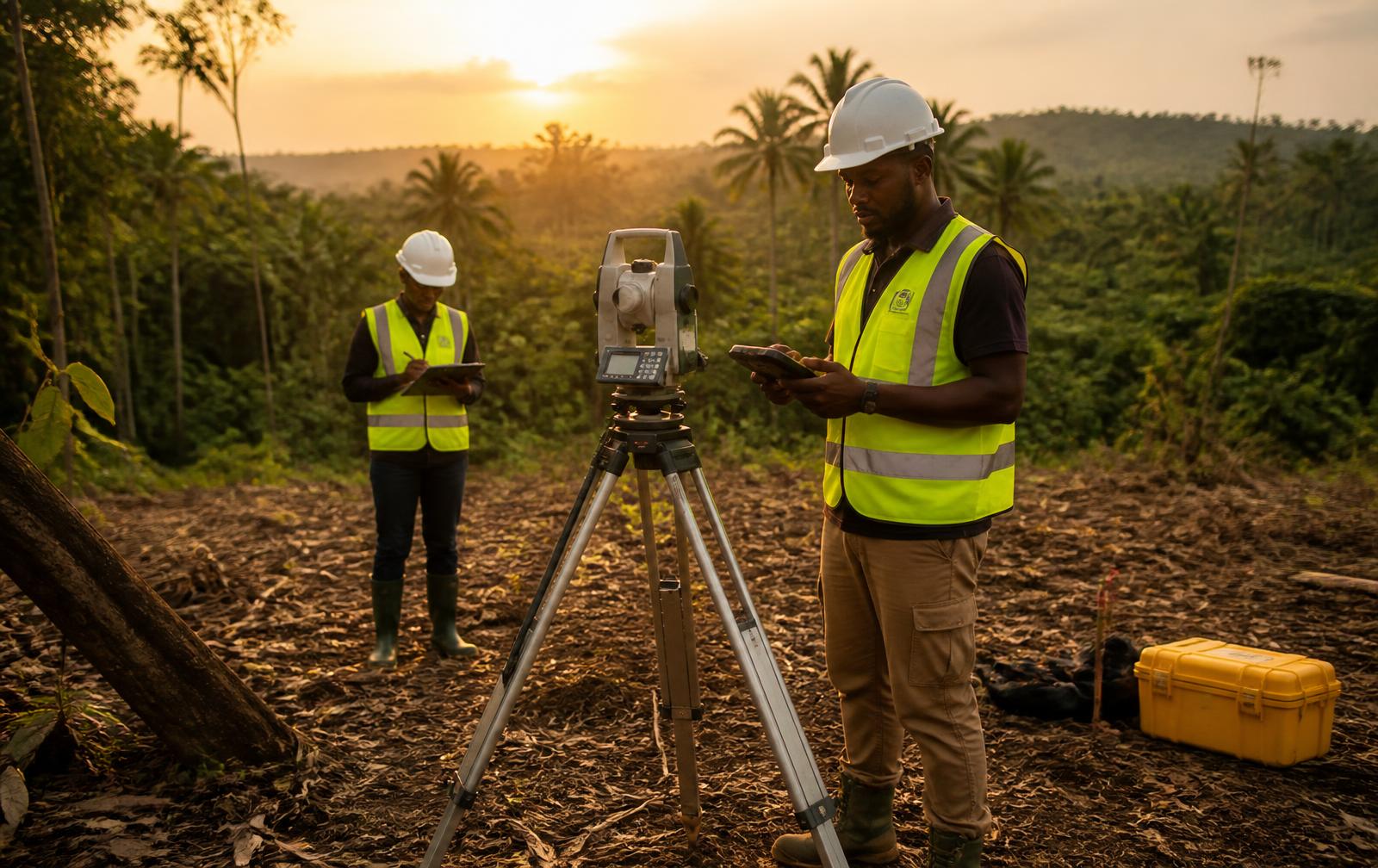
Ground survey locations are small, temporary and restored after acquisition.
Health & safety
Field safety is the first deliverable
Every survey campaign is planned around crew safety, remote-area logistics and community awareness before schedule or cost.
Field risk assessment
Documented risk assessment and briefing for every acquisition location across the licence area.
Contractor standards
Survey contractors are held to the same safety requirements as our own crews.
Emergency planning
Medical, evacuation and communication plans in place for remote-area work.
Community & governance
Consent, capacity and clear accounting
Communities near our survey areas should hear about work before it starts and benefit from it as it progresses.
- Early engagement with traditional authorities and local leadership before field work.
- Local hiring and training for survey support roles wherever capability exists.
- Ghanaian geoscience graduates involved in interpretation, not only in fieldwork.
- Separation of technical, financial and administrative authority, with reporting to investors against published milestones.
Responsible development from the first survey
Ask us how environmental and community commitments are built into each phase of the work programme.